
Building a successful fitness career doesn’t always require expensive equipment or massive overheads. In fact, some of the most valuable coaching tools are surprisingly affordable.
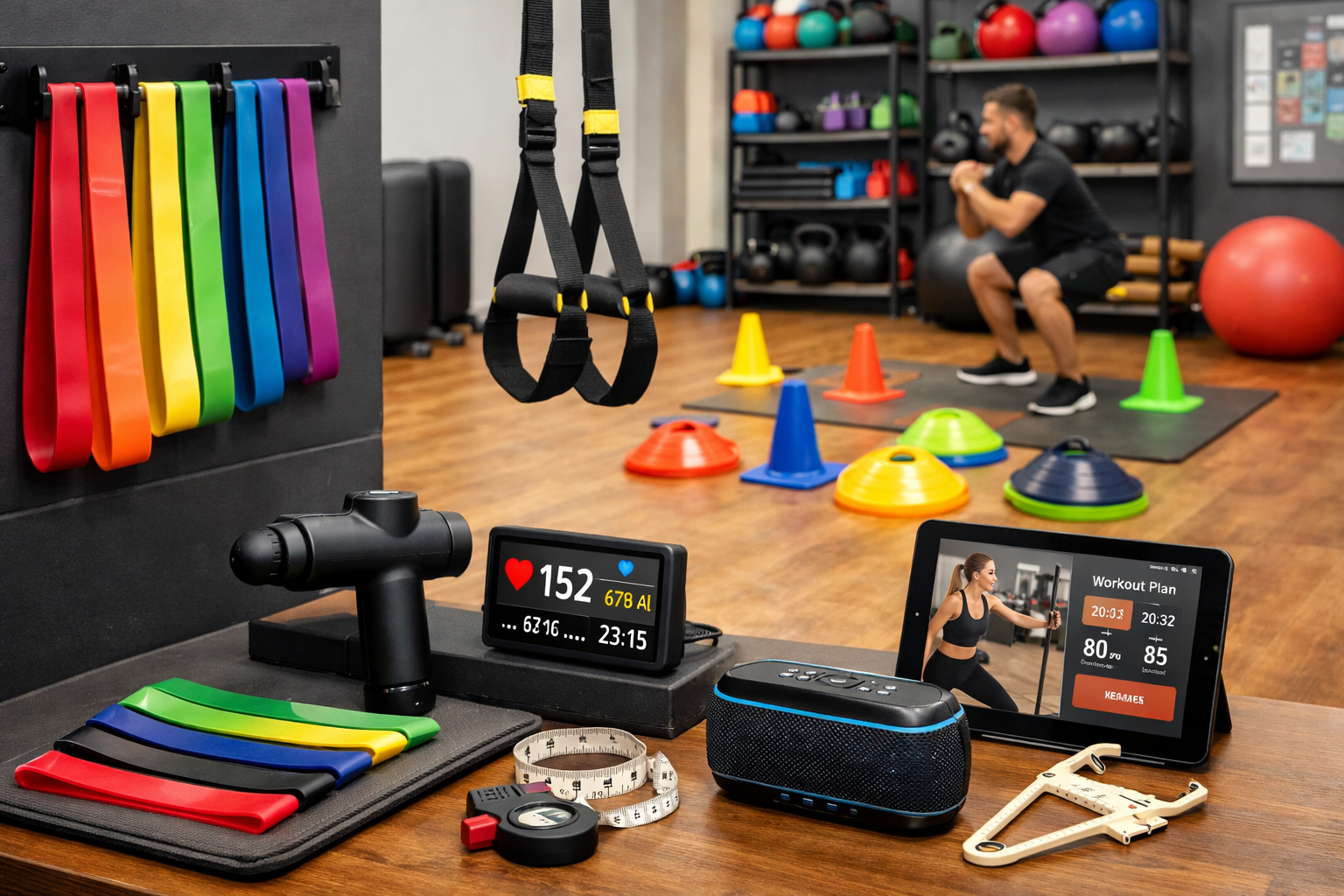
Building a successful fitness career doesn’t always require expensive equipment or massive overheads. In fact, some of the most valuable coaching tools are surprisingly affordable.

Success in the fitness industry is about far more than writing workout programs or counting reps. The most successful personal trainers know that long-term career growth comes from daily habits, professionalism and the ability to consistently inspire others. In a competitive industry, technical...
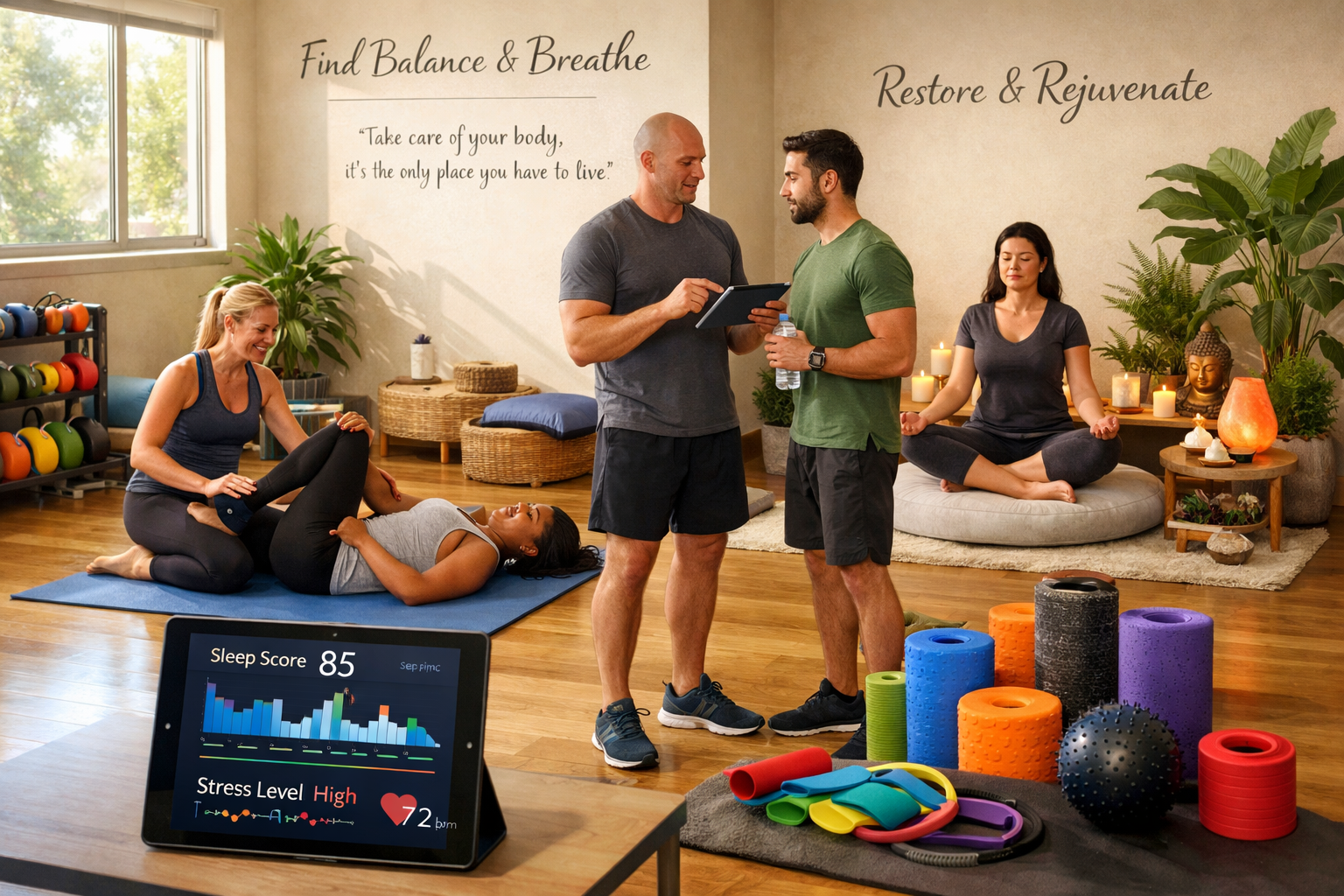
For a long time, fitness culture celebrated one thing above all else — pushing harder. More reps. More sweat. More intensity. But in 2026, the smartest trainers know that real progress isn’t just built in the gym — it’s built during recovery. Welcome to the rise of recovery coaching. Today’s...

One-on-one personal training can be rewarding, but relying solely on sessions may also limit income potential. As the fitness industry evolves, smart trainers are discovering that career growth often comes from diversifying their services.

Technical coaching ability is essential in personal training, but long-term success also depends on business acumen. Many trainers enter the industry with strong practical skills yet a limited understanding of financial and operational systems.
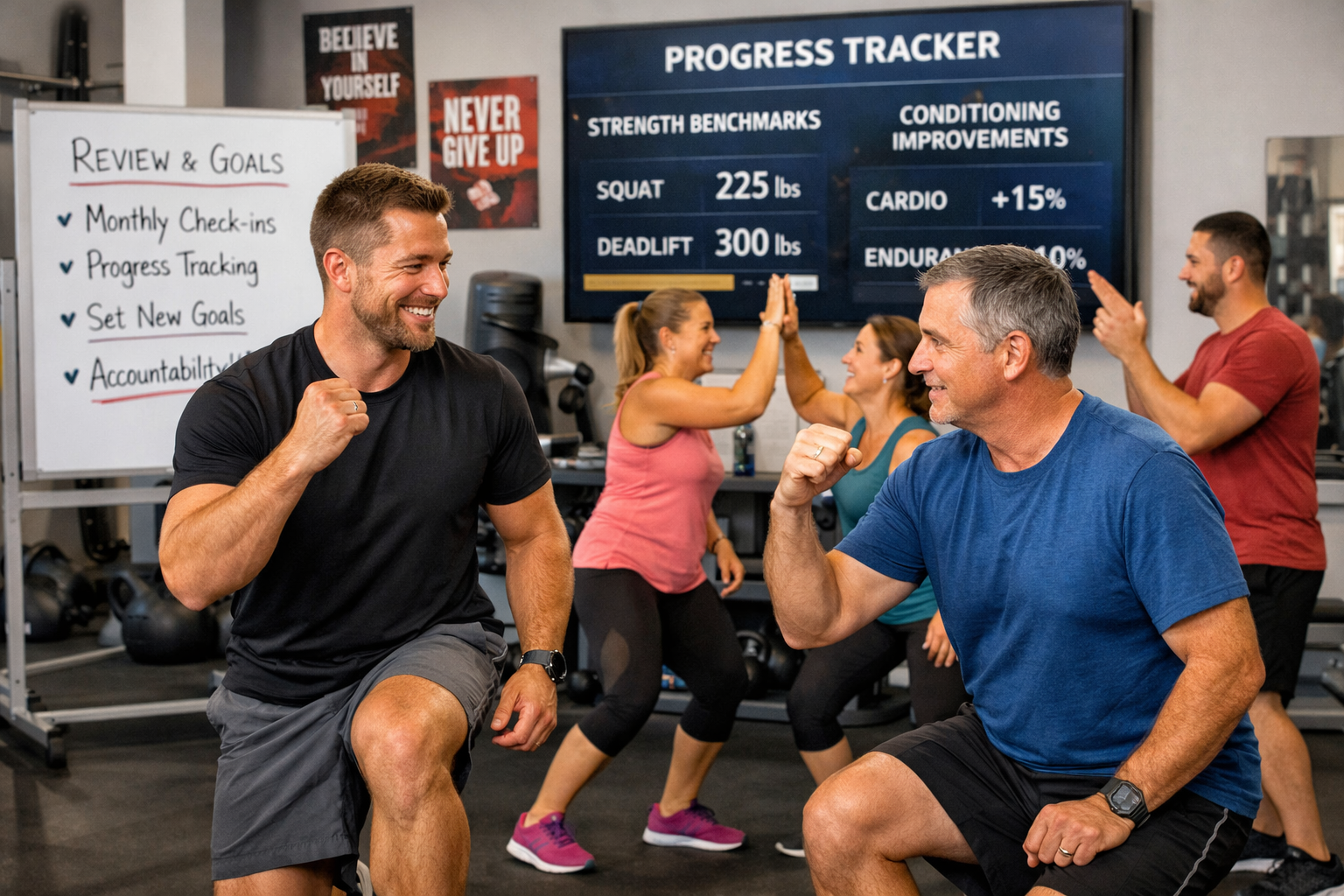
Client retention is one of the most powerful drivers of business sustainability in personal training. While attracting new clients requires marketing effort, retaining existing clients strengthens income stability and reduces acquisition pressure.

Relying solely on casual, pay-per-session income can create significant financial instability for self-employed Personal Trainers. Missed sessions, seasonal dips and client cancellations directly affect weekly earnings. Building predictable income requires structured revenue systems rather than...
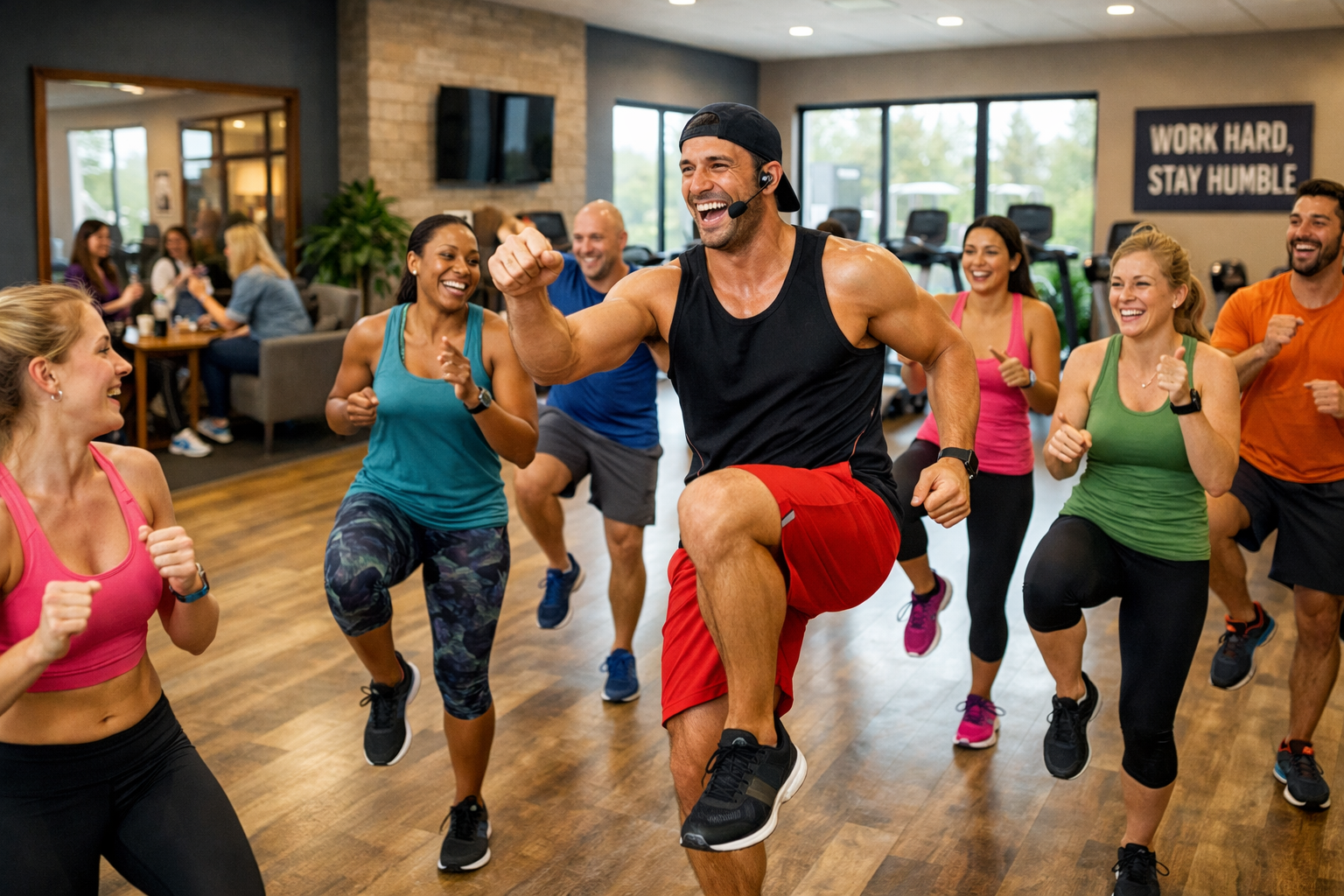
Fitness facilities have traditionally been viewed as places to train, somewhere between work and home, where people exercise. Increasingly, however, research in behavioural science and public health is highlighting the importance of “third spaces”: environments outside of home (first space) and...

You’ve finished your studies, you’re on the gym floor, and suddenly the real world of fitness feels a lot bigger than the classroom ever did. The jump from newly qualified trainer to manager, coordinator, or even franchise owner can seem massive — but with the right mindset and habits, it’s a very...
You’ve finished your studies, you’re on the gym floor, and suddenly the real world of fitness feels a lot bigger than the classroom ever did. The jump from newly qualified trainer to manager, coordinator, or even franchise owner can seem massive — but with the right mindset and habits, it’s a very...

Becoming your own boss is the dream for many trainers — flexible hours, full creative control, and the ability to build something that’s truly yours. But turning passion into profit requires planning and patience.

Welcome - FIT College Alumni